 Online Clock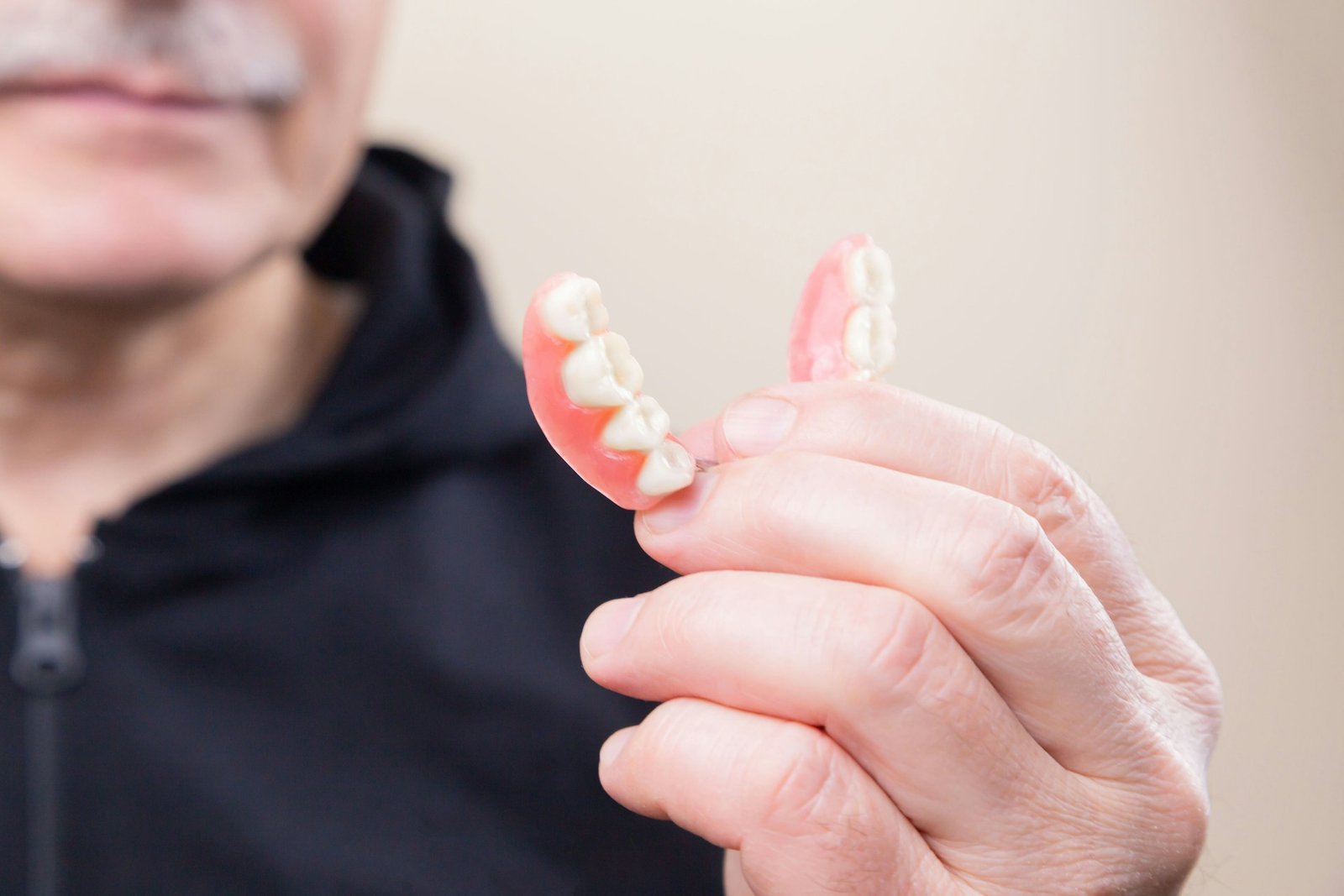
Partial dentures can significantly improve the quality of life for individuals who have lost some of their natural teeth. They help restore your smile, improve your ability to chew, and support facial structure. However, adjusting to partial dentures can take time. This guide will provide practical tips for eating with partial dentures and maintaining them properly to ensure their longevity and effectiveness.
Understanding Partial Dentures
Partial dentures are dental prosthetics designed to replace one or more missing teeth. They are made from a combination of materials, including acrylic, metal, and sometimes flexible nylon. Partial dentures are designed to fit comfortably in your mouth and blend seamlessly with your natural teeth.
Types of Partial Dentures
- Removable Partial Dentures: These can be easily taken out and put back in by the wearer.
- Fixed Partial Dentures: Also known as dental bridges, these are permanently cemented in place.
Tips for Eating with Partial Dentures
Eating with partial dentures can be challenging at first. Here are some tips to help you adapt more easily:
Start with Soft Foods
When you first start wearing your partial dentures, stick to soft foods that are easy to chew. This will help you get used to the feel of the dentures without putting too much pressure on your gums.
Chew Evenly
Try to distribute your food evenly on both sides of your mouth. This helps keep the dentures stable and reduces the risk of them tipping or becoming dislodged.
Cut Food into Smaller Pieces
Cutting your food into smaller, more manageable pieces can make chewing easier and more comfortable. This is especially helpful for tougher foods like meat or raw vegetables.
Avoid Sticky and Hard Foods
Sticky foods can adhere to your dentures, making them difficult to clean. Hard foods can damage your dentures or cause discomfort. Avoid these types of foods, especially in the early stages of wearing your dentures.
Take Your Time
Eating with dentures requires patience. Take small bites, chew slowly, and give yourself plenty of time to finish your meals. Rushing can increase the likelihood of discomfort or dislodging your dentures.
Proper Maintenance of Partial Dentures
Proper maintenance is crucial for the longevity of your partial dentures and the health of your mouth. Here are some essential maintenance tips:
Clean Your Dentures Daily
Just like natural teeth, partial dentures need regular cleaning to remove food particles and prevent plaque buildup.
How to Clean
- Rinse: Rinse your dentures under warm running water to remove loose food particles.
- Brush: Use a soft-bristled toothbrush and non-abrasive denture cleaner to brush all surfaces of the dentures. Avoid using regular toothpaste, as it can be too abrasive.
- Soak: Soak your dentures overnight in a denture cleaning solution to keep them moist and prevent them from losing their shape.
Handle with Care
Dentures in Sarnia are delicate and can break easily if dropped. Handle them over a soft surface or a sink filled with water to cushion any falls.
Keep Your Mouth Clean
Maintaining good oral hygiene is essential, even if you wear dentures. Brush your gums, tongue, and any remaining natural teeth twice a day to keep your mouth healthy.
Regular Dental Check-Ups
Regular visits to your dentist are crucial for ensuring your dentures fit well and your mouth remains healthy. Your dentist can make any necessary adjustments and provide professional cleaning.
Adjusting to the Feel of Partial Dentures
Getting used to the feel of partial dentures can take some time. Here are a few tips to help you adjust:
Wear Them Consistently
Consistent wear is key to adjusting to your new dentures. Wear them as directed by your dentist to get accustomed to the feeling and function.
Practice Speaking
Speaking with dentures can feel awkward at first. Practice speaking out loud to help your tongue and lips adjust to the new shape and size of the dentures. Reading aloud can be particularly helpful.
Be Patient with Soreness
It’s normal to experience some soreness or irritation as your mouth adjusts to the dentures. Over-the-counter pain relievers can help, but persistent pain should be reported to your dentist.
FAQs About Partial Dentures
How long does it take to adjust to partial dentures?
Most people adjust to partial dentures within a few weeks. However, it can take a few months for some individuals to feel completely comfortable.
Can I sleep with my partial dentures in?
It's generally recommended to remove your dentures at night to give your gums a rest and to allow for proper cleaning.
How often should I visit my dentist with partial dentures?
Regular check-ups every six months are usually sufficient, but your dentist may recommend more frequent visits if there are issues with your dentures.
What should I do if my dentures are uncomfortable?
If your dentures are causing discomfort, schedule an appointment with your dentist. They may need to make adjustments to improve the fit.
Can partial dentures damage my natural teeth?
When properly fitted and maintained, partial dentures should not damage your natural teeth. However, poor fitting dentures can cause irritation and damage over time.
Conclusion
Adjusting to partial dentures involves a period of adaptation and learning. By following the tips outlined in this guide, you can make the transition smoother and more comfortable. Remember to maintain good oral hygiene, handle your dentures with care, and consult with your dentist regularly.
For those seeking expert advice and personalized care, visiting a dentist or consulting with professionals who specialize in dentures in London, Ontario, can provide the support and guidance needed to ensure your dentures fit well and function effectively. Whether you are in Sarnia or another location, a skilled dentist can help you navigate the process and achieve a confident, comfortable smile.