 Online Clock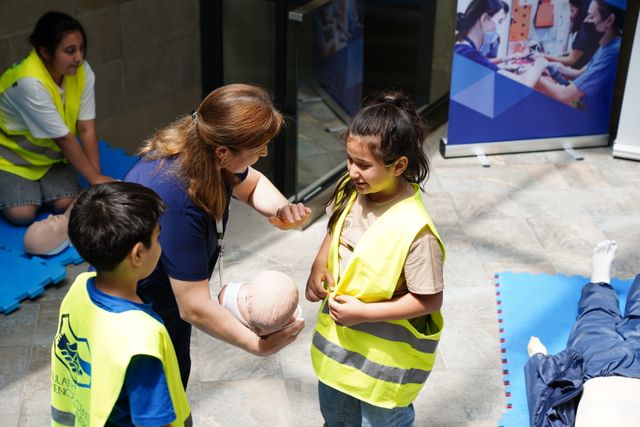
Have you ever wondered why some people survive an emergency while others do not? Every second counts when a person's heart suddenly stops beating. Quick action before medical teams arrive can give someone a better chance of living.
CPR training teaches simple life-saving skills that almost anyone can learn and use with confidence. These skills help keep blood and oxygen moving until professional care arrives.
They also help people stay calm during stressful moments. In this guide, you will learn how these important skills improve survival, build confidence, protect loved ones, and make everyday communities safer for everyone around you.
Read on!
Why CPR Training Saves More Lives
CPR keeps blood and oxygen moving through the body until professional help arrives. This support gives the heart and brain a better chance to recover after sudden cardiac arrest. Quick action can greatly improve the chance of survival.
Many emergencies happen at home, work, or in public places without warning. A trained person can begin chest compressions right away instead of waiting for help. Fast care during those first minutes often makes a life-changing difference.
Learning CPR also helps people make faster and better decisions during stressful moments. They can quickly check the situation, call for emergency help, and start care without wasting valuable time. These early actions give the injured person more support before medical professionals take over.
Building Confidence Before an Emergency
Many people worry they will not know what to do during a crisis. CPR classes teach clear steps through simple lessons and hands-on practice. This training helps people stay calm and act with greater confidence.
Regular practice also helps people remember the correct actions when stress is high. Refresher courses keep important skills fresh and ready to use. Learn more about trusted classes and certification through https://cprcertificationnow.com to prepare for real emergencies.
Training with others also builds teamwork and clear communication during emergencies. People learn how to work together while waiting for medical professionals to arrive. These shared skills help everyone respond more safely and with greater confidence.
Helping Communities Stay Safer
When more people know first aid and CPR, entire communities become stronger. Schools, offices, sports centers, and public spaces all become safer places. A trained helper may be nearby when someone suddenly needs care.
Learning emergency response skills also inspires others to prepare. Friends and family often decide to take classes after seeing the value of these lessons. More trained people mean more chances for quick action before emergency teams arrive.
More trained people mean more chances for quick action before emergency teams arrive. This faster response can improve survival and reduce the risk of serious injury. It also gives families and communities greater peace of mind during unexpected emergencies.
Every Skill Can Make a Lasting Difference
Every person who learns these life-saving skills helps create a safer future for others. CPR training gives people the confidence to act quickly instead of waiting during an emergency. Fast care can protect the heart and brain until medical teams arrive.
These simple skills can help save a family member, friend, coworker, or even a stranger. Taking time to learn today may change someone's tomorrow. Your knowledge can bring hope when every second matters most.
Did this guide help you? Browse the rest of this section for more advice on a variety of topics.